

How to Improve Sperm Motility Naturally & Boost Fertility
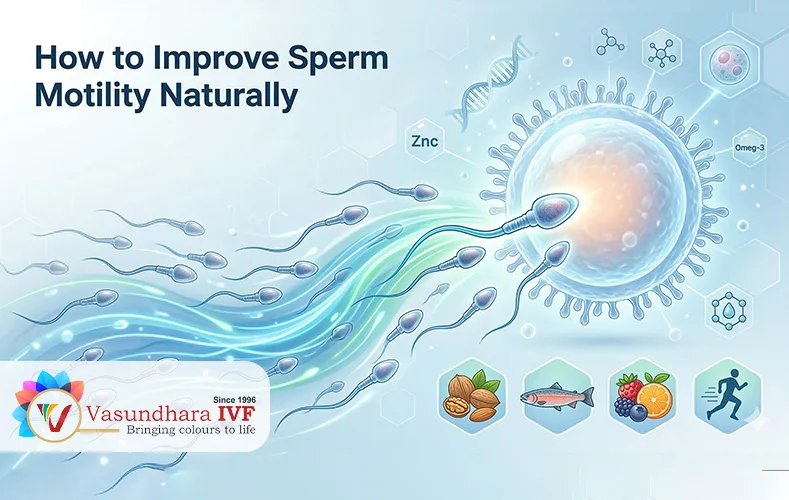
Male fertility plays an important role in a couple’s journey to start a family. One of the key factors influencing male fertility is sperm motility, which refers to the ability of sperm to move efficiently toward the egg for fertilization. If sperm movement is weak or slow, the chances of successful conception may decrease. However, in many cases sperm motility can improve through better nutrition, healthier lifestyle habits, and appropriate medical treatment when necessary.
Understanding Sperm Motility and Its Importance
Sperm motility refers to how effectively sperm can swim through the female reproductive tract to reach and fertilize the egg.
Types of Sperm Motility
- Progressive Motility – Sperm move actively in a forward direction, increasing the chances of fertilization.
- Non‑Progressive Motility – Sperm move but without a clear forward direction, reducing the chances of reaching the egg.
Top Foods That Improve Sperm Motility Naturally

- Walnuts – Rich in omega‑3 fatty acids that support sperm structure and mobility.
- Tomatoes – Contain lycopene, an antioxidant associated with improved sperm quality.
- Citrus Fruits – Provide vitamin C which helps protect sperm from oxidative damage.
- Leafy Green Vegetables – Spinach, kale, and broccoli contain folate that supports sperm production.
- Pumpkin Seeds – A good source of zinc which helps in testosterone production and sperm development.
- Dark Chocolate – Contains antioxidants that may support circulation and reproductive health.
- Fatty Fish – Salmon, tuna, and sardines provide omega‑3 fatty acids that support sperm motility.
Lifestyle Changes That Help Improve Sperm Motility
- Maintain a Healthy Weight – Excess body fat may disturb hormone balance and affect sperm production.
- Exercise Regularly – Moderate physical activity helps maintain healthy testosterone levels.
- Avoid Excessive Heat – Reduce exposure to hot baths, saunas, tight underwear, and laptop heat.
- Quit Smoking – Smoking may reduce sperm motility and damage sperm DNA.
- Limit Alcohol Intake – Heavy alcohol consumption can lower testosterone levels.
- Manage Stress – Chronic stress can interfere with hormones responsible for sperm production.
- Get Adequate Sleep – 7–8 hours of sleep helps maintain hormonal balance.
Supplements That May Support Sperm Motility
- Zinc
- Coenzyme Q10 (CoQ10)
- L‑Carnitine
- Vitamin C
- Vitamin E
- Folate
- Selenium
- Omega‑3 fatty acids
These supplements help protect sperm cells from oxidative stress and support healthy sperm development. They should always be taken under the guidance of a fertility specialist.
Medical Treatments for Low Sperm Motility
1. Varicocele Treatment
Varicocele occurs when veins inside the scrotum become enlarged, which may affect sperm production and movement. A minor surgical procedure can sometimes improve sperm quality.
2. Hormone Therapy
Hormonal imbalance can interfere with sperm production. Fertility specialists may prescribe medications to restore hormone balance.
3. Treatment for Infections
Infections in the male reproductive system can negatively affect sperm health. Appropriate medical treatment can help resolve infections and improve fertility.
4. Advanced Fertility Treatments
- IUI (Intrauterine Insemination) – Healthy and motile sperm are placed directly inside the uterus to increase the chances of fertilization.
- IVF (In Vitro Fertilization) – Eggs and sperm are combined in a laboratory and the resulting embryo is transferred to the uterus.
- ICSI (Intracytoplasmic Sperm Injection) – A single healthy sperm is injected directly into the egg for fertilization.
When to Consult a Fertility Specialist
- Pregnancy has not occurred after 6–12 months of regular unprotected attempts.
- History of injury or infection affecting the male reproductive organs.
- Previous surgery related to reproductive organs.
- Symptoms of possible hormonal imbalance.
In such situations, timely guidance from an experienced fertility specialist can make a significant difference. Couples facing fertility challenges should consider consulting the best fertility expert – Dr. Sanjay Makwana of Vasundhara IVF, who has helped many couples with advanced fertility care and personalized treatment plans.
A detailed fertility evaluation, including semen analysis, helps assess sperm count, motility, and morphology. Based on the diagnosis, the specialist can recommend suitable lifestyle improvements, medications, or advanced fertility treatments to improve the chances of conception.
Also Read :
- When can you get Pregnant after Periods? Expert Guide
- What is Pre-eclampsia and How to secure your pregnancy from it ?
- Everything You Need to Know About the AMH Test