Hysteroscopy

Hysteroscopy is a safe and minimally invasive procedure that allows your doctor to examine the inside of your uterus and cervix using a thin, lighted instrument called a hysteroscope.

Accurate Diagnosis

Accurate

Diagnosis

Treats Uterine Problems

Treats Uterine

Problems

Minimally Invasive

Minimally

Invasive

Outpatient Procedure

Outpatient

Procedure

Hysteroscopy Banner


Hysteroscopy

Hysteroscopy is a safe and minimally invasive procedure that allows your doctor to examine the inside of your uterus and cervix using a thin, lighted instrument called a hysteroscope.

Accurate Diagnosis
Accurate
Diagnosis
Treats Uterine Problems
Treats Uterine
Problems
Minimally Invasive
Minimally
Invasive
Outpatient Procedure
Outpatient
Procedure

What is Hysteroscopy?

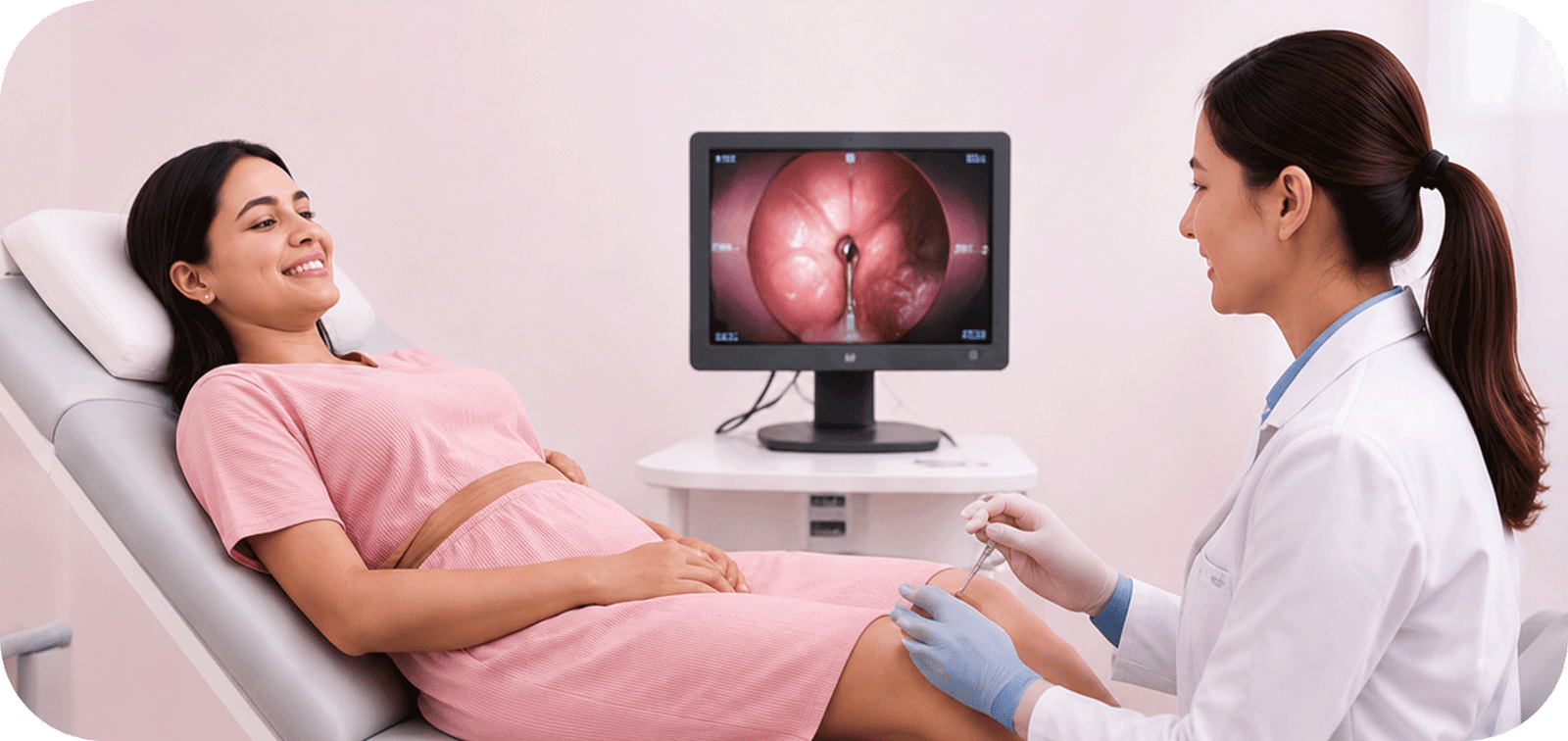
Hysteroscopy is a procedure that allows a doctor to visually examine the inside of a woman's uterus and cervix using a thin, lighted instrument called a hysteroscope.

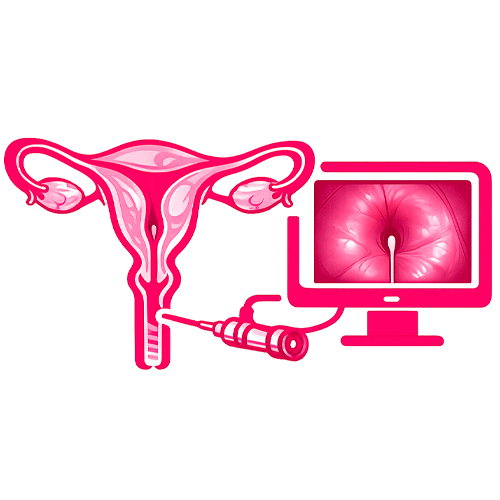
This slender tube, equipped with a camera, is inserted through the vagina and into the uterus, transmitting images to a monitor for the doctor to view.

Hysteroscopy can be used for both diagnostic and operative purposes. As a diagnostic tool, it helps investigate the causes of abnormal bleeding, infertility, or recurrent miscarriages. If a problem is detected, such as polyps, fibroids, or adhesions, the hysteroscope can often be used to perform corrective procedures simultaneously, removing these growths or tissues.

The procedure is typically performed on an outpatient basis, meaning the patient goes home the same day, and while generally safe, it does carry some minor risks, such as infection or bleeding, which your doctor will discuss with you beforehand.


Doctor performing Hysteroscopy
1

Detects abnormalities like polyps, fibroids & adhesions

2

Helps in infertility evaluation & treatment

3

Minimally invasive & quick recovery

4

Performed by experienced specialists

What is the procedure for Hysteroscopy?

The hysteroscopy procedure generally follows these steps:

1
Preparation

Preparation

You'll likely be asked to arrive a little early and change into a gown. You'll discuss the procedure with your doctor and anesthesiologist (if you're having sedation). Depending on the type of hysteroscopy, you might receive medication to help relax your cervix or prevent infection.

2
Anesthesia

Anesthesia

A local anesthetic, regional anesthetic (like a spinal block), or general anesthesia might be used, depending on the type of hysteroscopy and your comfort level. Diagnostic hysteroscopies often use no anesthesia or just local. Operative hysteroscopies more often require regional or general anesthesia.

3
Insertion of the Speculum

Insertion of the Speculum

A speculum, the same instrument used during a Pap smear, is inserted into the vagina to hold it open so the doctor can see the cervix.

4
Dilation of the Cervix

Dilation of the Cervix (Sometimes)

In some cases, especially if the cervix is tight, it may need to be slightly dilated (widened) to allow the hysteroscope to pass through. This can cause some cramping.

5
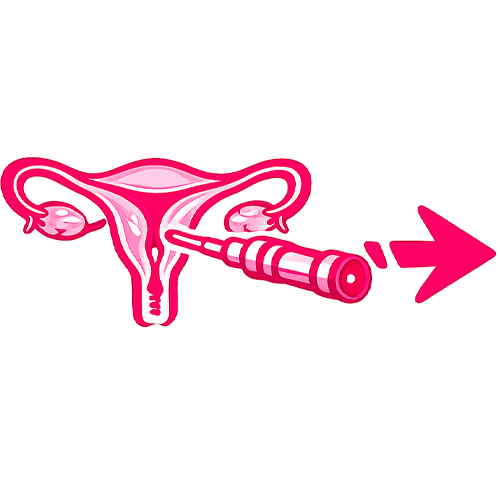
Insertion of the Hysteroscope

Insertion of the Hysteroscope

The hysteroscope is carefully inserted through the cervix and into the uterus. A fluid, usually saline, is then gently injected into the uterus to expand it slightly, making it easier for the doctor to see the uterine lining.

6
Examination of the Uterus

Examination of the Uterus

The doctor views the inside of the uterus on a monitor connected to the hysteroscope.

7
Procedure (If Needed)

Procedure (If Needed)

If the hysteroscopy is operative (meaning it's being used to treat a condition), small instruments can be passed through the hysteroscope to perform procedures such as:

  • Removing polyps or fibroids
  • Taking a biopsy (tissue sample)
  • Removing adhesions (scar tissue)
8
Removal of the Hysteroscope

Removal of the Hysteroscope

Once the examination or procedure is complete, the hysteroscope and speculum are removed.

9
Recovery

Recovery

You'll likely be monitored for a short time after the procedure. You may experience some cramping or light bleeding. Your doctor will give you instructions for recovery, including when you can return to normal activities.

Calendar Icon

Need more information or ready to take the next step?

Our experts are here to help you with personalized care.

Book Appointment

Schedule your visit today!