Blastocyst Transfer is an advanced IVF technique that improves success rates by allowing embryos to develop to their healthiest stage before transfer.





Blastocyst Transfer is an advanced IVF technique that improves success rates by allowing embryos to develop to their healthiest stage before transfer.
Blastocyst transfer is a technique used in IVF that involves transferring the embryo to the woman's uterus at a more advanced stage of development.
Instead of transferring the embryo a few days after fertilization, blastocyst transfer waits until the embryo has developed for 5-6 days in the lab, reaching the blastocyst stage.
This is important because the blastocyst stage is when the embryo would naturally enter the uterus and begin to implant in a natural pregnancy.
Growing the embryos longer in the lab allows doctors to better see which ones are the healthiest and most likely to implant, potentially increasing the chances of a successful pregnancy and sometimes reducing the risk of multiple births.
However, not all embryos make it to the blastocyst stage, and your doctor will determine if this technique is right for you.
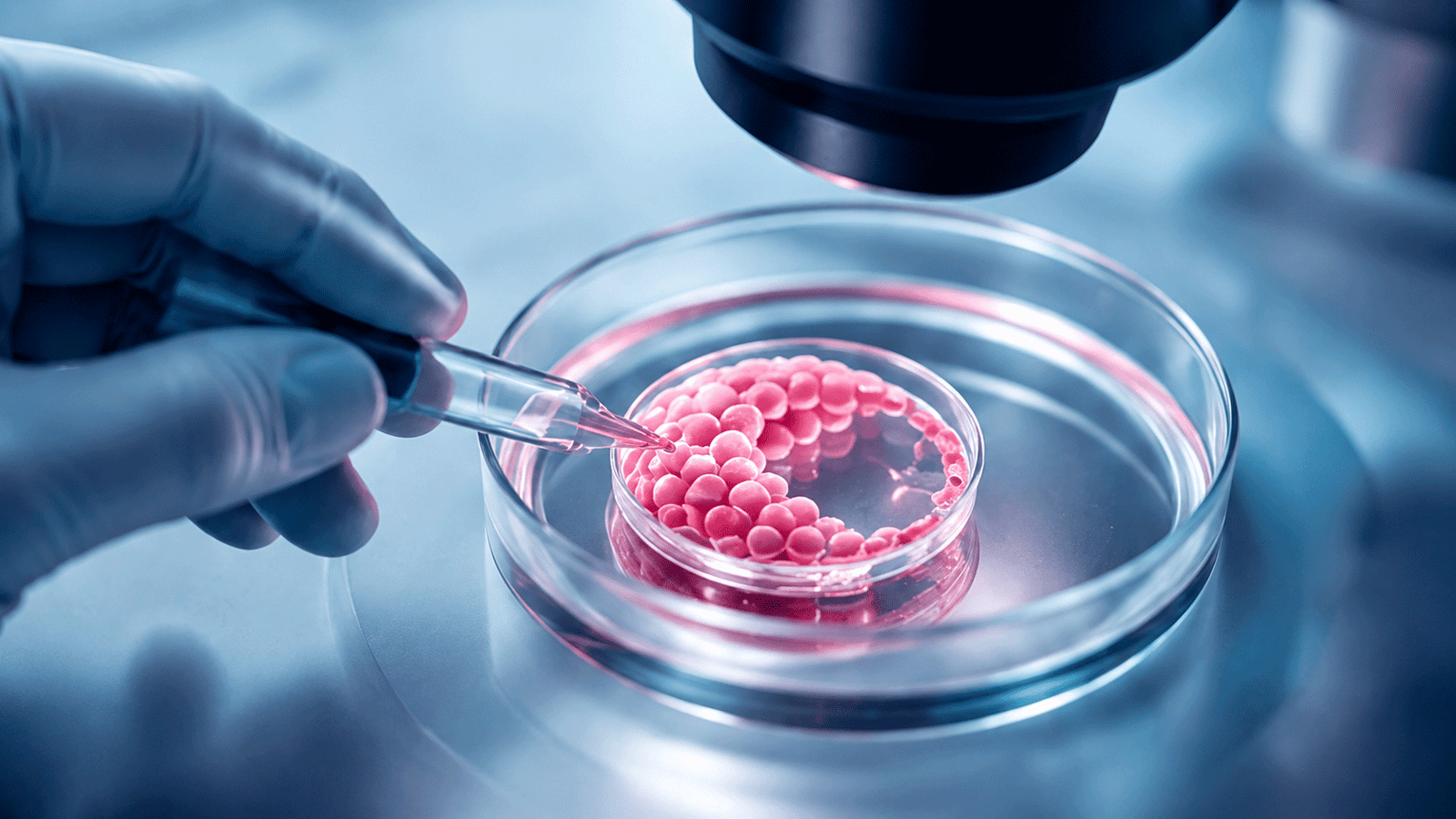

5-6 days of growth in the lab can make all the difference.
The blastocyst transfer procedure is similar to a traditional embryo transfer, but it involves embryos that have developed for a longer period in the lab.

The embryologist selects the healthiest and most viable blastocysts for transfer. These embryos have been developing in the lab for 5-6 days after fertilization.

The chosen blastocysts are carefully loaded into a thin, flexible catheter.

The woman lies on an examination table, similar to a pelvic exam. A speculum is inserted into the vagina to hold it open, allowing the doctor to visualize the cervix.

The catheter containing the blastocysts is gently passed through the cervix and into the uterus.

The blastocysts are carefully released from the catheter into the uterine cavity.

The catheter is gently removed.

After the transfer, the woman typically rests for a short period of time. Specific instructions for post-transfer care will be provided by the clinic.

Our fertility experts are here to guide you with personalized care at every step.