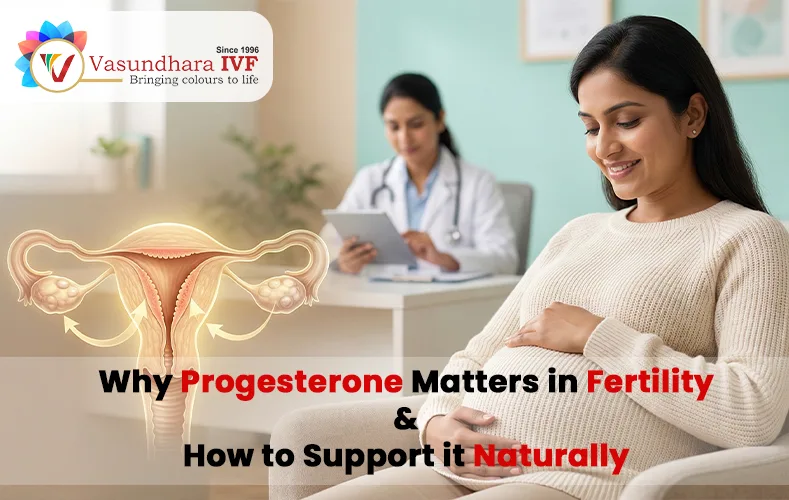
Progesterone is one of the most important hormones for female fertility, yet it often receives less attention than it deserves. Low progesterone levels can quietly affect ovulation, implantation, and the early stages of pregnancy. While medical treatment may be necessary in some cases, many women can support healthy progesterone levels naturally through balanced nutrition, lifestyle changes, stress management, and expert guidance.
Understanding the Role of Progesterone in Fertility
Progesterone is released after ovulation and plays a vital role in preparing the uterus for pregnancy. During the second half of the menstrual cycle, known as the luteal phase, progesterone helps thicken and stabilise the uterine lining so a fertilised egg can implant securely.
When progesterone levels are low, implantation may not occur or early pregnancy may not be sustained. Low progesterone is commonly associated with:
- Difficulty conceiving
- Spotting before periods
- Irregular or short menstrual cycles
- Repeated early pregnancy loss
- PMS symptoms such as mood changes, anxiety, breast tenderness, or sleep disturbances
Because progesterone depends on healthy ovulation, any factor that interferes with ovulation can also reduce progesterone levels.
Can Progesterone Be Supported Naturally?
There is no single food or supplement that instantly increases progesterone. Instead, progesterone levels improve when the body is supported as a whole. Stable blood sugar, balanced hormones, controlled stress levels, and proper nutrition all work together to promote healthy ovulation and progesterone production.
Nutrition That Supports Progesterone Production
1. Include Healthy Fats in Your Daily Diet
Hormones are made from cholesterol, which means dietary fat is essential for hormone balance. Very low-fat diets can interfere with ovulation and progesterone release.
Healthy fat sources include:
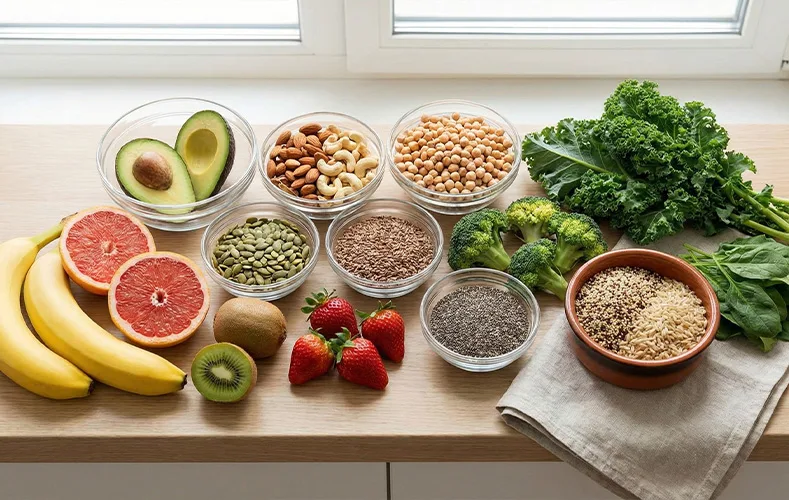
- Avocados
- Olive oil
- Nuts and seeds
- Fatty fish
- Flaxseeds and chia seeds
These fats also support ovarian health and reduce inflammation in the body.
2. Focus on Vitamin B6 and B-Complex Nutrients
Vitamin B6 plays an important role in supporting the luteal phase and maintaining progesterone after ovulation. It also helps regulate blood sugar, which is essential for hormonal stability.
Natural sources include:
- Whole grains
- Chickpeas
- Bananas
- Poultry
- Leafy green vegetables
3. Increase Vitamin C Intake
Vitamin C is highly concentrated in ovarian tissue and supports hormone regulation and follicle development. Adequate intake may help improve progesterone levels, especially in women with luteal phase concerns.
Good sources include:
- Citrus fruits
- Kiwi
- Strawberries
- Bell peppers
- Broccoli
4. Ensure Adequate Zinc and Magnesium
Zinc supports normal ovarian hormone production and regular menstrual cycles. Magnesium plays a role in stress regulation and supports ovulation by calming the nervous system.
Foods rich in these minerals include:
- Pumpkin seeds
- Lentils and beans
- Dark chocolate
- Almonds and cashews
- Green leafy vegetables
The Impact of Stress on Progesterone
Chronic stress is a common cause of low progesterone. When the body is under stress, it prioritises the production of cortisol, the stress hormone, using the same resources needed to make progesterone.
High stress levels may:
- Delay ovulation
- Shorten the luteal phase
- Lower progesterone production
Practices such as deep breathing, meditation, gentle yoga, nature walks, and spending time relaxing each day can help regulate stress hormones and support fertility.
Exercise: Finding the Right Balance
Regular movement supports reproductive health, but excessive or intense exercise can suppress ovulation. Over-exercising signals physical stress to the body, which may reduce progesterone levels.
For fertility support, aim for:
Moderate exercise most days
Walking, swimming, yoga, cycling, or light strength training
- Moderate exercise most days
- Walking, swimming, yoga, cycling, or light strength training
- Avoiding extreme workouts combined with calorie restriction
Body Weight and Hormonal Balance
Maintaining a healthy body weight is essential for progesterone production.
- Being underweight can stop ovulation and lower hormone levels
- Being overweight can increase estrogen levels, leading to estrogen dominance and low progesterone
Achieving and maintaining a healthy weight supports regular ovulation and a stronger luteal phase.
Reducing Exposure to Hormone-Disrupting Chemicals
Environmental chemicals found in plastics, pesticides, and certain personal care products can interfere with hormone signalling and disrupt the balance between estrogen and progesterone.
Simple steps include:
- Using glass or steel containers instead of plastic
- Choosing fragrance-free personal care products
- Washing fruits and vegetables thoroughly
Fertility-Supportive Eating Pattern
A Mediterranean-style diet is strongly linked to improved fertility outcomes. This way of eating supports progesterone by reducing inflammation, stabilising blood sugar, and promoting a healthy body weight.
It focuses on:
- Vegetables and fruits
- Whole grains
- Legumes and nuts
- Olive oil
- Fish and herbs
Expert Guidance Makes a Difference
While natural approaches can strongly support progesterone levels, professional advice from a dietician and fertility expert should always be taken. Every woman’s body, hormone pattern, and nutritional requirement is unique, and what works for one person may not be suitable for another.
A qualified dietician can help design a personalised nutrition plan that supports ovulation and hormone balance, while a fertility expert can identify underlying causes of low progesterone and guide appropriate testing, treatment, or supplementation when needed. Expert supervision ensures that natural strategies are safe, effective, and aligned with your fertility goals.
Conclusion
Supporting progesterone naturally involves more than just diet or supplements. It requires a balanced approach that includes proper nutrition, stress management, healthy movement, weight balance, and reduced exposure to environmental toxins. When guided by experienced specialists at a trusted fertility centre, these natural strategies can significantly support reproductive health.
If you are experiencing difficulty conceiving or symptoms of hormonal imbalance, consulting a gynaecologist or fertility specialist ensures that natural methods and medical treatments work together safely and effectively for the best possible outcome. For couples seeking advanced fertility care, many patients consider Vasundhara IVF as one of the best IVF centres in Jaipur, known for its patient-centred approach and comprehensive fertility solutions.