

Egg Quality and Fertility: Warning Signs, Risky Habits, and Healthier Alternatives
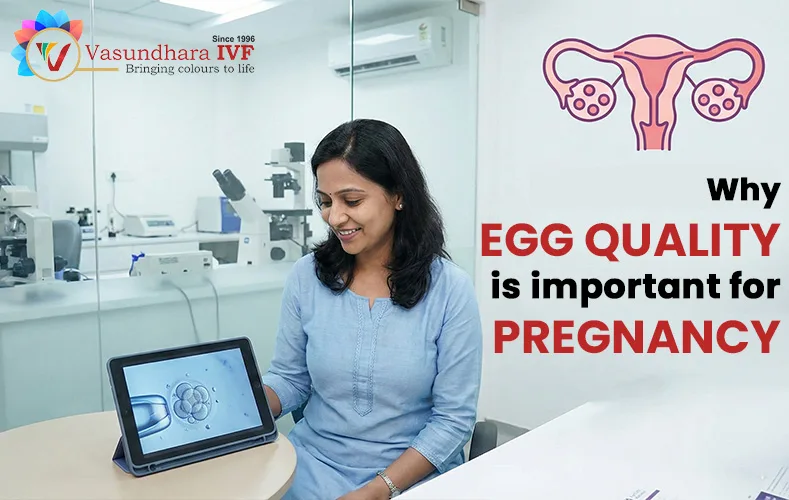
The health of a woman’s eggs has a direct influence on her chances of conceiving and carrying a pregnancy successfully. While increasing age is a well-known factor that affects fertility, many people are unaware that daily lifestyle habits and long-term health choices can also impact egg health. Recognizing early signs of declining egg quality and making informed changes can help improve reproductive outcomes and support future family planning.
Why Egg Quality is Important for Pregnancy
Every pregnancy begins with a single egg. For conception to occur smoothly, the egg must be genetically healthy and have enough cellular energy to support fertilization’s and early embryo development. When egg quality is compromised, fertilizations may fail, embryos may not grow properly, or pregnancy may end prematurely.
Although it is natural for egg quality to decline with age—particularly after the mid-thirties—unhealthy habits, stress, and exposure to harmful substances can accelerate this process. This makes lifestyle awareness an important part of fertility care.
What Does Egg Quality Mean?
Egg quality refers to the overall health of an egg at the genetic and cellular level. Healthy eggs:
- Contain the correct number of chromosomes
- Have strong energy reserves for embryo growth
- Fertilise more easily
- Have a higher chance of implanting in the uterus
Egg quality cannot be seen or tested directly. Doctors assess it indirectly through hormone tests, ovarian response during fertility treatments, and embryo development patterns.
Possible Signs of Poor Egg Quality

Although egg health cannot be measured physically, certain symptoms may indicate reduced egg quality:
Difficulty in Conceiving
When conception does not happen even after several months of regular, unprotected intercourse—especially when other factors are normal—it may suggest an egg-related issue.
Irregular Menstrual Cycles
Frequent changes in cycle length, missed periods, or very short cycles may point to hormonal imbalance affecting ovulation.
Weak Response to Fertility Medications
During fertility treatments such as IVF, some women may produce fewer mature eggs despite appropriate medication, which can indicate reduced ovarian reserve or compromised egg health.
Poor Embryo Development
If embryos stop growing early or show abnormal development, egg quality may be a contributing factor.
Repeated Early Pregnancy Loss
Recurrent miscarriages in the first trimester can sometimes occur due to chromosomal abnormalities associated with poor-quality eggs.
Hormonal Test Abnormalities
Low AMH levels or elevated FSH levels often reflect declining ovarian reserve and may be linked to reduced egg quality.
How Lifestyle Choices Affect Egg Health
Everyday lifestyle habits play a significant role in reproductive health. Certain behaviours can negatively impact egg quality over time:
Smoking and Tobacco Exposure
Tobacco toxins damage egg DNA and speed up ovarian ageing, reducing fertility potential.
Excessive Alcohol Consumption
Alcohol can interfere with hormone regulation and disrupt ovulation.
Poor Dietary Habits
Diets high in processed foods, sugars, and unhealthy fats increase oxidative stress, which can harm egg cells.
Chronic Stress
Long-term emotional or physical stress can disturb hormonal balance and interfere with regular ovulation.
Lack of Sleep
Consistent sleep deprivation affects hormone production and menstrual regularity.
High Caffeine Intake
Excessive caffeine consumption may reduce fertility and affect egg maturation.
Weight Imbalance
Being significantly overweight or underweight can disrupt hormones and interfere with ovulation.
Sedentary Lifestyle
Limited physical activity reduces blood circulation to reproductive organs and affects overall hormonal health.
Ways to Support Better Egg Quality

While ageing cannot be reversed, healthy habits can help support ovarian function and improve fertility potential:
Follow a Nutrient-Rich Diet
Eating a balanced diet rich in antioxidants, vitamins, and healthy fats supports egg health. Include leafy vegetables, fruits, whole grains, nuts, seeds, and omega-3 fatty acids.
Maintain a Healthy Body Weight
Achieving a stable and healthy weight helps regulate hormones and supports regular ovulation.
Reduce Stress Levels
Mind-body practices such as yoga, meditation, walking, and breathing exercises help maintain hormonal balance and emotional well-being.
Avoid Harmful Substances
Avoiding smoking, limiting alcohol intake, and staying away from recreational drugs can protect egg health.
Use Supplements Only with Medical Advice
Some supplements may support ovarian health, but they should be taken only after consultation with a fertility specialist.
When Should You Seek Medical Advice?
A fertility evaluation may be helpful if:
- Conception has not occurred after 6–12 months of trying
- Menstrual cycles are irregular or absent
- There is a history of repeated miscarriages
- You have known medical conditions affecting fertility
- You are over 35 and planning pregnancy
- You wish to assess egg quality for future family planning
A fertility specialist can evaluate ovarian reserve, hormone levels, and overall reproductive health to guide appropriate treatment or preventive care. You can visit us for a detailed evaluation and personalized guidance.
Egg quality is a key factor in female fertility and healthy pregnancy outcomes. While age-related changes are natural, lifestyle habits and long-term health choices can significantly influence reproductive potential. By recognizing early warning signs and adopting healthier routines, women can take proactive steps toward improving fertility. Timely medical guidance, combined with positive lifestyle changes, empowers individuals to make informed decisions and enhances the chances of a successful pregnancy.
Also Read:
- When can you get Pregnant after Periods? Expert Guide
- Endometriosis: Symptoms, Causes, Diagnosis & Treatment Options for Better Fertility
- What is Hystero-Laparoscopy & How it is Performed ?