Laser hatching is an advanced IVF technique that helps embryos hatch from their outer shell (zona pellucida), improving the chances of successful implantation.




Laser hatching is an advanced IVF technique that helps embryos hatch from their outer shell (zona pellucida), improving the chances of successful implantation.
Laser hatching is a technique used in in vitro fertilization (IVF) to help embryos hatch from their outer shell, called the zona pellucida.

This technique can help improve the chances of implantation and increase the likelihood of successful pregnancy.
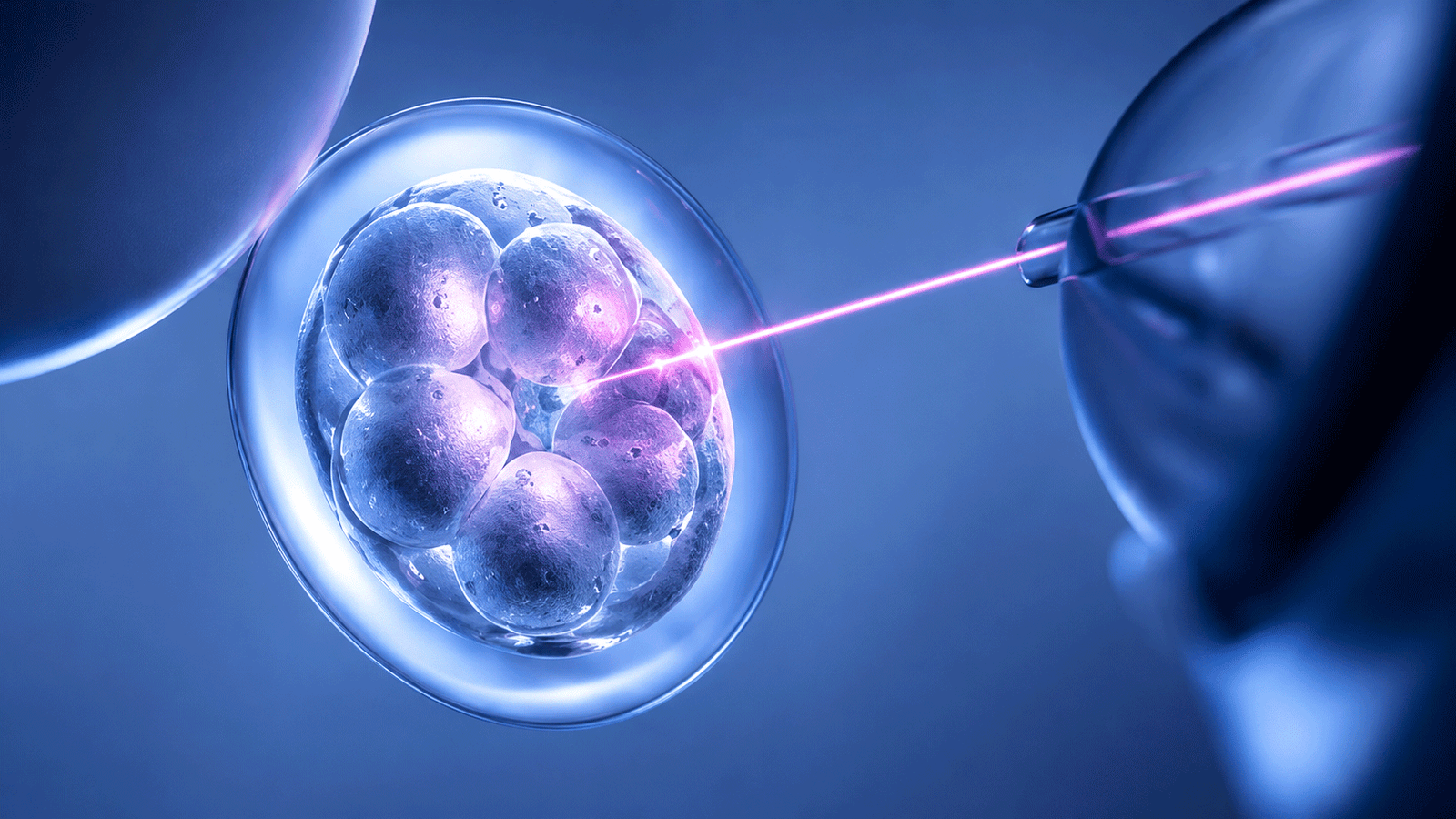
Laser hatching is a delicate procedure that takes place in the embryology lab, typically on day 3 of embryo development in an IVF cycle. Here's how it works:

The embryologist carefully selects the embryos that are most likely to benefit from laser hatching. This might include embryos with a thicker zona pellucida, those from older patients, or embryos that have been frozen and thawed.

A specialized laser system, designed specifically for assisted hatching, is used. This laser is highly precise and allows the embryologist to target the zona pellucida without harming the embryo inside.

The embryo is held in place, and the laser is precisely focused on a specific area of the zona pellucida. The embryologist carefully chooses a spot away from the embryo's cells to avoid any damage.

Short, controlled pulses of laser energy are applied to the zona pellucida. This creates a small opening or thinning in the shell. The laser essentially "softens" a small area of the zona pellucida, making it easier for the embryo to hatch.

The embryologist carefully inspects the embryo to ensure the hatching site is appropriately created and that the embryo remains healthy.
After the laser hatching procedure, the embryos are returned to the incubator to continue developing until the day of embryo transfer.

Our fertility experts are here to help you take the next step towards parenthood.